

Table of Contents
- Why Graphic Tee Prints Crack and What Causes It
- How to Wash Graphic Tees to Prevent Fading and Cracking
- Best Way to Dry Screen Printed Shirts
- How to Iron Graphic Tees Safely
- Proper Storage and Folding Methods
- How to Repair Existing Print Cracks
- Investing in Quality Apparel That Lasts
- Conclusion
Last Updated: August 26, 2026
Why Graphic Tee Prints Crack and What Causes It
Graphic tees crack for specific reasons, and understanding them is the first step toward keeping your apparel looking sharp. When you invest in quality pieces, you want them to last. The problem isn't always poor manufacturing, it's often how the garment gets treated after purchase.
Print cracking happens when the ink loses flexibility. Screen-printed designs sit on top of the fabric, and when that ink layer becomes brittle, it fractures under stress. Direct-to-garment prints penetrate the fibers more deeply, but they're still vulnerable to the same forces that cause degradation. Heat, harsh chemicals, and mechanical stress from washing and drying all accelerate the breakdown.
Print Type Differentiation: Screen Print vs. Direct-to-Garment
Not all graphic tees are created equal. Screen printing and direct-to-garment printing are fundamentally different processes, and they behave differently under stress.
Screen printing layers ink directly onto the fabric surface. The ink sits as a film on top of the fibers, which means it's more prone to cracking when the garment flexes or moves. This is the most common method for custom apparel and faith-inspired designs. The print feels slightly raised and textured. While screen prints can last years with proper care, they're more sensitive to heat and harsh washing conditions because the ink hasn't fully bonded into the fabric structure.

Direct-to-garment printing injects ink particles directly into the fabric fibers using specialized inkjet technology. The print becomes part of the garment itself rather than sitting on top of it. This method produces softer prints with better durability in theory, but the ink still requires proper care. Direct-to-garment prints are less common on faith-inspired apparel because they don't produce the same bold, raised aesthetic that many designs demand.
The distinction matters because your washing and drying strategy should match your print type. Screen prints need gentler handling. Direct-to-garment prints have slightly more flexibility but still require care.
Thermal Stress and Heat Damage
Heat is one of the primary culprits behind graphic tee print cracking. When ink heats up, it expands. When it cools, it contracts. Repeated cycles of expansion and contraction cause the ink layer to become brittle and eventually fracture.
Machine drying delivers intense, sustained heat that accelerates this process dramatically. The tumbling motion combined with high temperatures creates the worst-case scenario for print longevity. Even one or two cycles in a hot dryer can begin the degradation process, especially if the print hasn't been properly cured during manufacturing (peer-reviewed research).
Direct sunlight also generates significant heat. Hanging a wet graphic tee in direct sun might seem convenient, but the combination of moisture and UV exposure weakens the ink's adhesion to the fabric. The print can fade, and the heat stress makes cracking more likely down the road.
Water Hardness and Chemical Degradation
The water you wash with matters more than most people realize. Hard water contains mineral deposits that can interact with detergents and affect how thoroughly they rinse out. Residual detergent left in the fabric can break down the ink's adhesive properties over time, making the print more prone to cracking.
Bleach and fabric softener are direct threats to ink integrity. Bleach is an oxidizing agent that literally breaks down the chemical bonds in ink (peer-reviewed research). Fabric softener coats the fibers with a waxy layer that can interfere with how the ink adheres to the fabric. Using either one is essentially choosing to accelerate print degradation.
Even standard detergents can be harsh if used in high concentrations. The surfactants in detergent help lift dirt and oils from fabric, but they also can strip away some of the protective layer that helps keep ink bonded to the garment.
How to Wash Graphic Tees to Prevent Fading and Cracking
The washing process is where most print damage happens. Getting this right is non-negotiable if you want your graphic tees to maintain their appearance and integrity.
Turn Garments Inside Out Before Washing
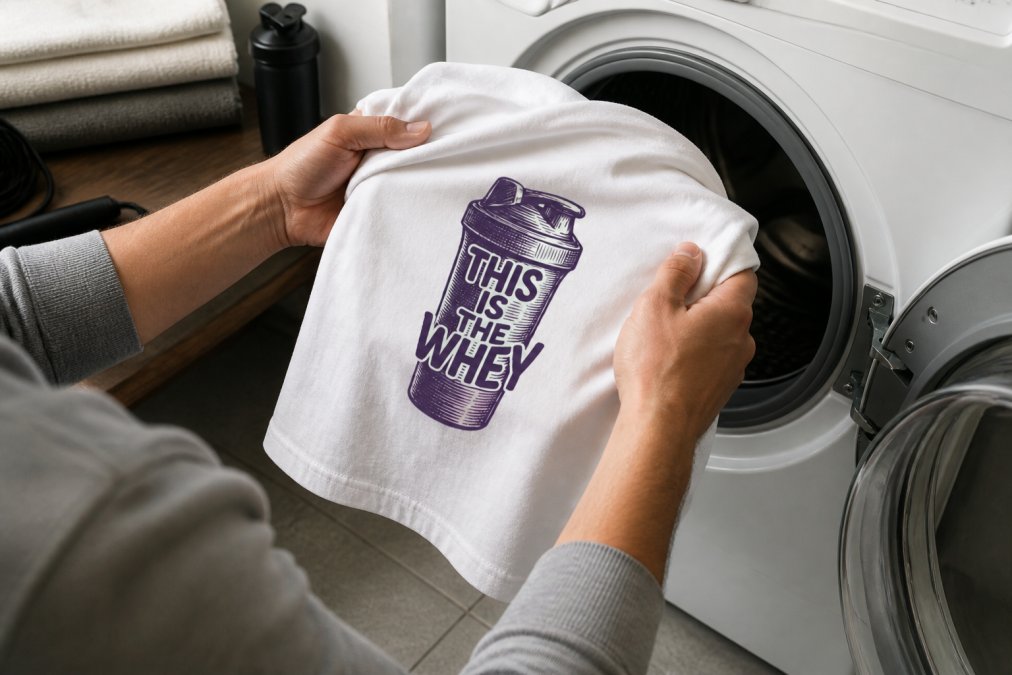
This is the single most effective step you can take. Turning your graphic tee inside out protects the print from direct contact with the agitation and friction inside the washing machine. The reverse side of the fabric, which has no print, takes the mechanical stress instead.
When you turn a garment inside out, you're also reducing the print's exposure to detergent. The print sits on the inside of the fabric layer, shielded from direct contact with soapy water. This simple step cuts print damage risk significantly.
Make this automatic. Every graphic tee goes inside out before it touches the washer. No exceptions. It takes three seconds and protects months of wear.
Choose the Right Water Temperature and Wash Cycle
Cold water is your best friend when washing graphic tees. Warm or hot water accelerates ink degradation and can cause colors to bleed out of the print. Cold water cleans effectively while minimizing thermal stress on the ink.
Use the delicate or gentle wash cycle. The standard heavy-duty cycle creates too much agitation, which stresses the print even through the fabric layer. A gentler cycle uses less mechanical action and shorter spin times, reducing the forces working against your print.
The delicate cycle typically runs for 30-40 minutes with slower spin speeds (the FTC). This is intentional. The goal isn't to get maximum cleaning power, it's to clean adequately while protecting the garment. For graphic tees, adequate cleaning is all you need anyway.
Use Mild Detergent and Avoid Bleach and Fabric Softener
Mild detergent is gentler on ink than standard formulations. Look for detergents labeled as gentle, delicate, or specifically designed for colors. These products use milder surfactants that clean effectively without being aggressive toward the print.
Never use bleach on graphic tees. Even diluted bleach will damage the ink. If you need to address stains, treat them separately with a mild stain remover before washing, and test it on an inconspicuous area first.
Fabric softener is equally destructive. The waxy coating it leaves behind interferes with ink adhesion and can cause the print to peel or crack prematurely. Skip it entirely. Your graphic tee doesn't need it, and it actively harms the print.
Use the recommended amount of detergent or slightly less. More detergent doesn't clean better, it just leaves more residue that can affect the print's durability. A quarter-cup is usually sufficient for a normal load.
Best Way to Dry Screen Printed Shirts
Drying is where many people inadvertently destroy their graphic tees. The right drying method is as important as the washing method.
Air Dry in a Cool, Dark Location
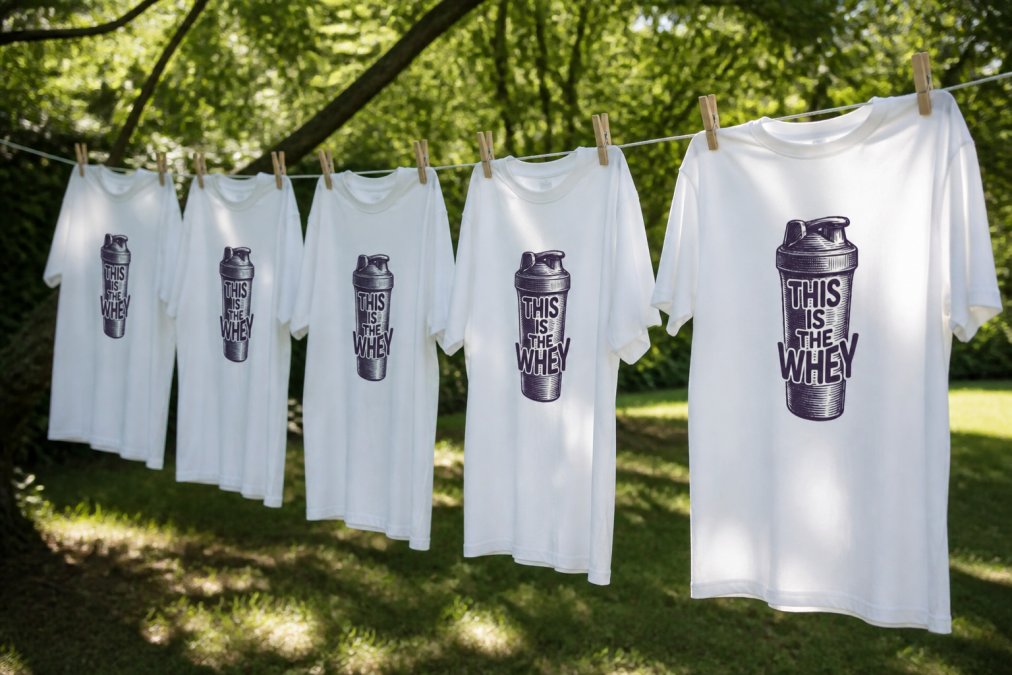
Air drying is the gold standard for graphic tees. Hang the garment on a clothes hanger or lay it flat on a clean surface in a cool, shaded area. The gentle, slow evaporation protects the print from thermal stress.
Choose a location away from direct sunlight and heat sources. A bedroom, laundry room, or shaded porch works well. Avoid windowsills where the sun hits throughout the day. Avoid areas near heaters, vents, or radiators.
If you hang the garment, do so by the shoulders or use a hanger that distributes weight evenly. Hanging by the neck can cause stretching, which stresses the print and the fabric.
Air drying takes longer, typically 4-8 hours depending on humidity and airflow, but it's the most effective way to preserve your investment. The time investment is worth it.
Avoid Machine Drying and Direct Sunlight
Machine drying is the enemy of graphic tee longevity. The combination of heat, tumbling, and friction accelerates ink cracking and fading. Even a low-heat setting can damage the print over time. If you must use a dryer, use the absolute lowest heat setting and remove the garment while still slightly damp, then air dry the rest of the way.
Direct sunlight causes two problems simultaneously. The UV radiation fades the print colors, and the heat stress makes the ink brittle. If you're air drying outdoors, choose a shaded location. If you're drying indoors near a window, use a curtain or shade to block direct sun.
The temptation to speed up drying with heat is strong, but it's a false economy. You save 30 minutes but sacrifice months of garment life. Air drying is the investment that pays dividends.
How to Iron Graphic Tees Safely
Sometimes a graphic tee needs ironing. Done wrong, ironing can destroy the print. Done right, it's safe and effective.
Use Low Heat and Iron from the Back
If you must iron a graphic tee, use the lowest heat setting and always iron from the back side of the garment. The print never makes direct contact with the iron plate. This protects the ink from both heat and pressure damage.
Place a thin cloth or pressing cloth between the iron and the garment for extra protection. This adds a buffer that reduces the risk of heat transfer to the print.
Press lightly. You're not trying to flatten the garment aggressively, you're just smoothing out wrinkles. Light pressure with low heat does the job without stressing the print.
Never iron the front of the garment where the print is. Never use high heat. Never let the iron sit in one spot for more than a few seconds. These mistakes can melt the ink or cause it to crack from thermal stress.
Proper Storage and Folding Methods
How you store your graphic tees between wears affects their longevity. Storage conditions matter as much as washing and drying.
Fold graphic tees carefully rather than hanging them long-term. Hanging can stretch the fabric and stress the print over months. Fold along the sides to keep the print on the outside of the fold, not creased. Store folded tees in a cool, dry place away from direct sunlight.
Avoid stacking heavy items on top of stored graphic tees. The weight can cause creasing that stresses the print. Use a shelf or drawer where garments can lie flat or be stacked gently without compression.
Keep stored tees away from heat sources, humidity, and damp areas. A bedroom closet or dresser drawer is ideal. Basements and attics, where temperature and humidity fluctuate, are not. Moisture can promote mildew and weaken the fabric, and temperature swings stress the ink layer.
Ensure proper air circulation in your storage area. Sealed plastic containers trap moisture. Use breathable storage solutions like cotton bags or open shelving.
How to Repair Existing Print Cracks
Sometimes cracks appear despite your best efforts. Minor damage can often be addressed before it becomes worse.
Assessment and Minor Crack Treatment
Examine the crack carefully. Is it just the ink, or has it gone through to the fabric? If only the ink is cracked and the fabric beneath is intact, you have options.
Minor cracks, hairline fractures in the ink layer, can sometimes be stabilized with fabric glue or specialized print repair adhesive. Apply a small amount to the crack, press gently, and let it dry completely. This won't make the crack invisible, but it can prevent it from spreading.
For small cracks, some people use fabric paint that matches the print color to fill in the damaged area. This requires a steady hand and color-matching skill, but it can make minor damage less noticeable.
Prevention is always easier than repair, so focus on proper care going forward. Once a print starts cracking, it's difficult to fully restore it to original condition.
When to Seek Professional Repair
Significant cracks, peeling, or large areas of damage warrant professional attention. Screen printing shops and specialty apparel repair services can sometimes re-print damaged areas or apply patches. For a standard graphic tee, the cost of professional repair might exceed the cost of replacement.
The real value of understanding crack causes is preventing future damage. Once you know what causes cracking, you can protect your collection going forward.
Investing in Quality Apparel That Lasts
Quality matters from the moment you purchase. Forged In Sweaty Tees offers premium apparel designed to help you make a statement. The difference between a tee that lasts six months and one that lasts two years often comes down to print quality and fabric construction.
Premium apparel uses higher-quality inks that adhere better to fabric and remain flexible longer. The fabric itself is denser and more durable. When you invest in quality from the start, like pieces from Forged In Sweaty Tees, you're buying longevity.
This Is The Whey T-Shirt exemplifies this approach. Made with 100% cotton and designed for comfort during workouts and everyday wear, it's constructed to handle the care methods outlined here. Quality starts with the garment itself, but it's maintained through proper care.
The faith-inspired designs on Forged In Sweaty Tees apparel are crafted with durability in mind. These aren't throwaway pieces, they're meant to be worn repeatedly and still look sharp months later. Pairing quality construction with proper care extends the lifespan significantly.
Graphic tee print cracking is preventable. The steps are straightforward: wash inside out in cold water on a gentle cycle with mild detergent, air dry away from heat and sunlight, and store carefully. These practices protect your investment and keep your apparel looking intentional and sharp.
Forged In Sweaty Tees creates apparel designed to make a statement, whether at the gym or on the street. Proper care ensures that statement stays bold and clear. When you raise your standards with quality pieces and maintain them correctly, you're investing in apparel that reflects your values and lasts.
Frequently Asked Questions
Q: Why does my graphic tee print crack after just a few washes?
A: Graphic tee print cracking results from a combination of factors: high water temperatures, harsh detergents, machine drying heat, and fabric softener breakdown of ink adhesion. Screen-printed designs are especially vulnerable because the ink sits on top of the fabric rather than bonding into it. Thermal stress from heat, whether during washing, drying, or ironing, causes the ink to become brittle and crack. Water hardness can also accelerate chemical degradation of the print. Following proper care techniques, especially air drying and cold water washing, prevents most cracking.
Q: Should I wash graphic tees inside out?
A: Yes, absolutely. Turning garments inside out before washing protects the print from direct agitation and friction in the wash cycle. This simple step reduces surface abrasion and prevents detergent from directly contacting the ink. Inside-out washing also minimizes exposure to bleach or color-catching sheets. Pair this with a delicate wash cycle, cold water, and mild detergent for maximum protection of your graphic tee's design and fabric integrity.
Q: Can I fix a graphic tee print that's already cracking?
A: Minor cracks can be slowed but not fully reversed. For small cracks, stop using harsh washing methods immediately and switch to cold water, inside-out washing, and air drying. Some people apply clear fabric glue or specialized print adhesive under the cracked area, though results vary by print type. For severe cracking or peeling, professional screen print repair shops can re-ink or re-print the design, though this is often costly. Prevention is far more effective than repair, making proper garment care essential from the first wear.
Q: Does water hardness affect how quickly graphic tee prints crack?
A: Yes, water hardness significantly impacts print longevity. Hard water contains minerals that interact with detergent and ink chemistry, accelerating chemical degradation of the print. If you live in an area with hard water, consider using a water softener or purchasing distilled water for washing graphic tees. Cold water also reduces mineral interaction. Pairing soft or filtered water with mild detergent and avoiding fabric softener creates the best conditions for preserving ink adhesion and preventing cracks over time.
0 comments