

Table of Contents
- What Makes a Cotton Blend Shirt Moisture-Wicking
- Moisture-Wicking vs. Cotton Shirts: What's the Real Difference
- Best Fabric for Heavy Sweating: Finding Your Ideal Blend Ratio
- How to Find the Perfect Gym Shirt Fit
- Odor Control and Antimicrobial Properties in Cotton Blends
- Durability and Care: Keeping Your Moisture-Wicking Shirts in Peak Condition
- Conclusion
Last Updated: August 30, 2026
What Makes a Cotton Blend Shirt Moisture-Wicking
A moisture-wicking cotton blend shirt combines natural cotton fibers with synthetic materials to move sweat away from your skin faster than pure cotton alone. Cotton absorbs moisture, up to 27% of its weight in water, while synthetic fibers like polyester are hydrophobic, causing water to bead rather than soak in. This blend leverages cotton's breathability with synthetics' quick-dry performance.
How Capillary Action Moves Sweat Away
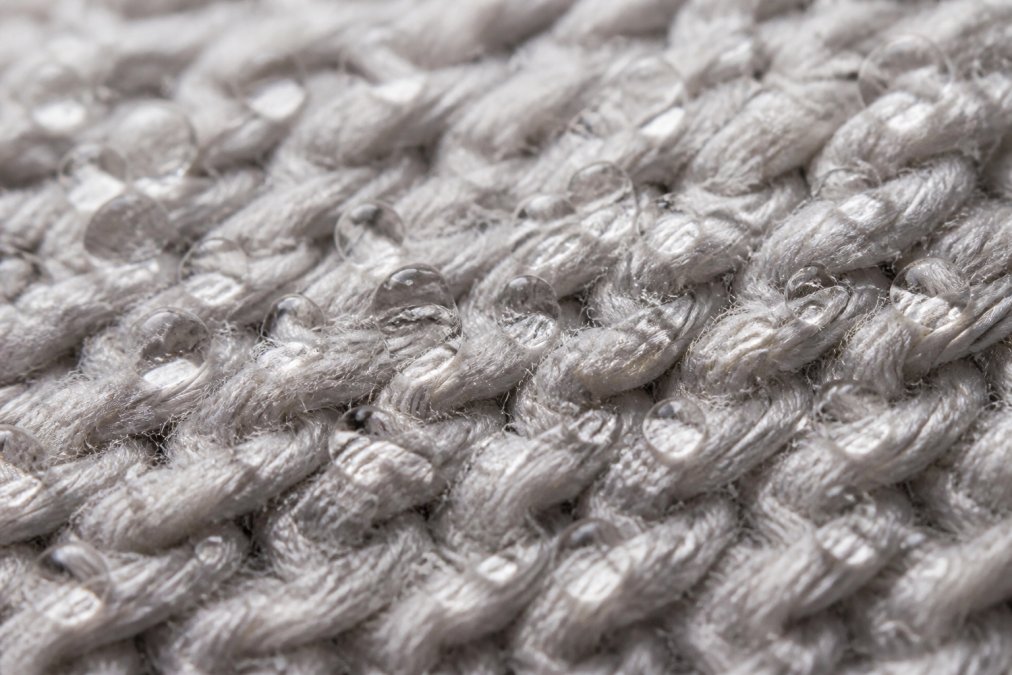
Capillary action is the mechanism that makes moisture-wicking work. Synthetic fibers create microscopic channels that pull moisture away from your skin through the same force that makes water climb a paper towel. Sweat moves laterally across the fabric surface where it evaporates rather than sitting against your skin. Cotton-poly blends typically perform this function within seconds. The speed depends on blend ratio and fabric construction, tighter weaves trap moisture longer, while looser constructions allow faster transport.
The Role of Synthetic Fibers in Quick-Dry Performance
Polyester and nylon have low moisture regain, allowing water to pass through and across them rapidly. A 50/50 cotton-poly blend dries roughly 40% faster than 100% cotton, while 70/30 synthetic-dominant blends dry even quicker. The synthetic component also adds durability and stretch recovery, the fabric bounces back after stretching rather than sagging permanently. Adding cotton improves breathability and comfort while maintaining speed advantages.
Moisture-Wicking vs. Cotton Shirts: What's the Real Difference
Pure cotton shirts absorb sweat and hold it against your skin, creating a clammy feeling and slowing evaporation. A cotton shirt can take hours to fully dry after heavy sweating. Moisture-wicking cotton blend shirts move sweat away through capillary action, keeping you drier and more comfortable. The shirt typically dries within 30-45 minutes of finishing your workout. Cotton-blend activewear also resists odor better because moisture doesn't linger where bacteria thrive.
Best Fabric for Heavy Sweating: Finding Your Ideal Blend Ratio
Heavy sweaters need a blend ratio that prioritizes quick-dry performance while maintaining comfort. The blend ratio determines how much moisture your shirt can transport, how quickly it evaporates, and how the fabric feels against your body.
Understanding Cotton-Poly Blend Ratios: Performance vs. Comfort
A cotton-poly blend typically runs 50/50 to 70/30 (cotton to polyester):
70/30 Cotton-Poly: This ratio prioritizes comfort and breathability. The higher cotton content feels softer and more familiar. Drying time is moderate, roughly 50-60 minutes after a heavy workout. This blend works well for users with sensitive skin or for gym-to-casual wear where comfort matters as much as performance.
60/40 Cotton-Poly: This is the sweet spot for most active users. It balances cotton's breathability with polyester's quick-dry performance. Drying time drops to 35-45 minutes. The fabric still feels natural without the synthetic cling of higher polyester ratios. Stretch recovery is excellent, the shirt maintains its shape through multiple weekly workouts.
50/50 Cotton-Poly: This ratio prioritizes maximum moisture transport and fastest drying, typically 25-35 minutes. It's ideal for serious athletes in high-intensity training where sweat volume is extreme. Some users with sensitive skin may experience irritation, and the fabric can feel less breathable than higher-cotton ratios.
Below 50% Cotton: These performance fabrics are designed for elite athletes and extreme conditions. Drying is nearly instantaneous, but they sacrifice the comfort and breathability that make cotton blends appealing.
Tri-Blend Fabrics: Luxury Feel vs. Performance
Tri-blend fabrics add a third fiber, usually rayon or viscose, to the cotton-poly base. A common composition is 50% polyester, 25% cotton, 25% rayon. Rayon is soft and drapes beautifully, creating a luxurious feel that appeals to users wanting gym wear that doubles as casual clothing.
The performance trade-off is significant: rayon absorbs moisture like cotton. Drying time is typically 45-60 minutes, similar to a 70/30 cotton-poly blend. Tri-blends excel at gym-to-street versatility, but they're not optimal for heavy sweating during intense workouts.
| Blend Type | Cotton % | Synthetic % | Drying Time | Best For | Skin Sensitivity |
|---|---|---|---|---|---|
| Cotton-Poly 70/30 | 70 | 30 | 50-60 min | Casual comfort, gym-to-street | Excellent |
| Cotton-Poly 60/40 | 60 | 40 | 35-45 min | Active workouts, balanced performance | Good |
| Cotton-Poly 50/50 | 50 | 50 | 25-35 min | Heavy sweating, high-intensity training | Fair |
| Tri-Blend | 25-40 | 50-70 | 45-60 min | Gym-to-street wear, visual appeal | Good |
Matching Blend Ratio to Your Sweat Profile and Skin Type
Heavy sweaters with resilient skin should choose 50/50 or 60/40 cotton-poly. The synthetic content moves moisture away fast enough to prevent the clammy feeling that heavy sweaters experience in pure cotton.
Moderate sweaters (most gym-goers) benefit most from 60/40 cotton-poly. You get meaningful moisture-wicking without sacrificing comfort. The fabric still feels like cotton and dries noticeably faster than pure cotton.
Users with sensitive skin or eczema-prone areas should start with 70/30 cotton-poly or tri-blend. High-synthetic blends can irritate sensitive skin. The extra cotton content provides softness and breathability that reduces irritation risk.
Casual gym-to-street wear users should consider tri-blend or 70/30 cotton-poly. These ratios look better and perform adequately for moderate activity.
Why Blend Ratio Matters More Than Material Purity
The optimal blend matches your specific use case. A 50/50 blend is faster-drying than a 70/30 blend, but if it irritates your skin, you won't wear it consistently. A shirt you actually wear beats a technically superior shirt that sits in your drawer.
Durability also factors in. A 60/40 blend typically outlasts a 70/30 blend because the higher synthetic content provides better stretch recovery and resists pilling. Over 3-5 years of regular use, the 60/40 maintains its shape and performance better.
How to Find the Perfect Gym Shirt Fit
Fit determines whether a moisture-wicking cotton blend shirt actually performs as intended. A shirt that's too tight restricts movement; too loose won't wick effectively because excess fabric sits away from your skin.
Fit for High-Intensity Gym Training
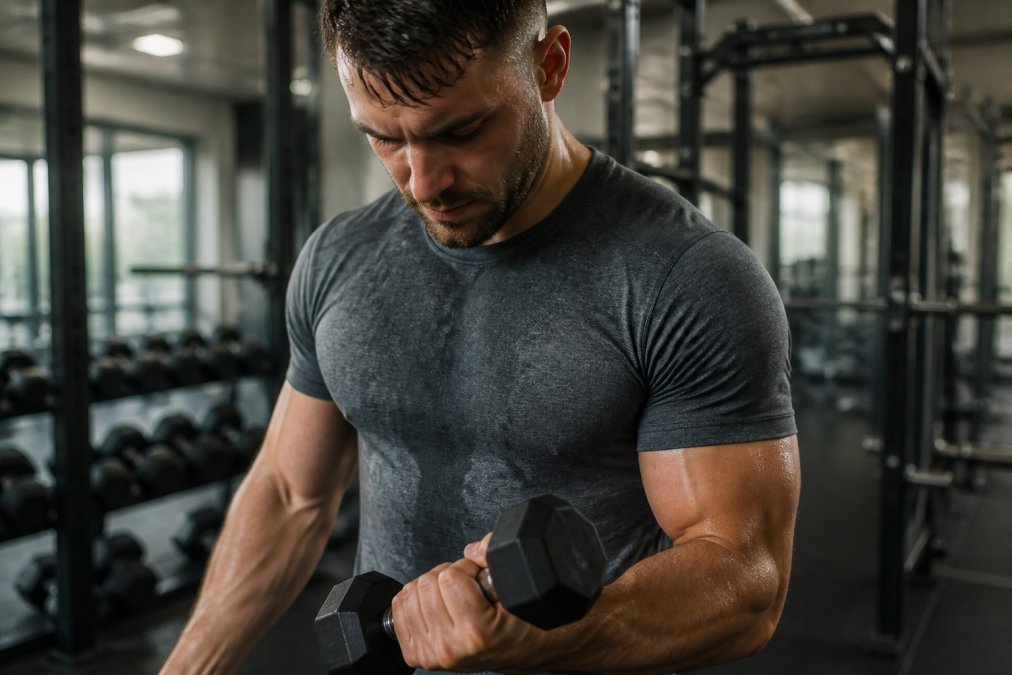
For gym workouts with heavy sweating, the shirt should sit close to your body without restricting movement. Your shoulders should have full range of motion. The shirt should move with you, not lag behind or bunch up. Sleeves should end at your mid-bicep without pulling when your arms are raised. The torso should be snug enough that sweat transfers to the fabric immediately.
The practical test: pinch the fabric at your side. You should be able to pinch roughly one inch of fabric. If you can pinch more than an inch and a half, the fit is too loose. If you can't pinch an inch, it's too tight.
Length matters for gym wear. The shirt should end at your hip bone or slightly below, not at your waist. A shirt that's too short rides up during overhead movements; too long bunches at the waist and creates excess fabric that doesn't wick efficiently.
Fit for Travel and Casual Gym-to-Street Wear
Travel and casual wear have different fit priorities. You want the shirt to look intentional off the gym floor, which means a slightly looser fit than you'd choose for high-intensity training. Aim for a fit where you can comfortably pinch one and a half to two inches of fabric at your side. The shirt should still end at your hip or slightly below.
The advantage of a slightly looser fit for casual wear: the shirt is more forgiving across different body types and doesn't require as precise sizing. If you're between sizes and plan to wear the shirt for both gym and casual activities, size up.
Fabric Weight and How It Affects Fit Perception
Fabric weight is measured in grams per square meter (gsm):
Lightweight fabrics (150-180 gsm): These feel breathable and drape loosely. A lightweight shirt in your normal size might feel baggy. Ideal for high-intensity workouts, but they require more precision in sizing. If you like a fitted look, size down one size.
Medium-weight fabrics (180-220 gsm): This is the sweet spot for most users. Medium-weight fabrics have enough structure to fit true-to-size without looking baggy. They drape better than lightweight fabrics, making them more versatile for gym-to-casual wear. For gym wear, choose your normal size.
Heavier fabrics (220+ gsm): These provide maximum durability and structure. A heavier shirt maintains its shape through hundreds of washes and resists pilling. However, heavier fabrics feel less breathable and take longer to dry. They're better suited for casual wear or cooler-weather training.
Stretch Recovery and Shape Retention
Stretch recovery refers to how quickly the fabric bounces back after being stretched. Polyester provides excellent stretch recovery, the shirt maintains its shape through countless workouts. Cotton-dominant blends lose shape faster, especially in the shoulders and chest.
A 60/40 cotton-poly blend typically offers better stretch recovery than a 70/30 blend. If you're wearing the same shirt multiple times per week, the higher synthetic content prevents gradual sagging. Over 6-12 months of regular use, a 60/40 blend looks noticeably better than a 70/30 blend in the same size.
Sizing Considerations for Moisture-Wicking Fabrics
Moisture-wicking fabrics behave differently than pure cotton when it comes to sizing and shrinkage. Synthetic blends typically have less stretch than pure cotton, requiring more precision in sizing. Most quality moisture-wicking shirts shrink less than pure cotton, usually 2-3% with proper care.
If you're between sizes, the answer depends on your use case. For high-intensity gym training, size down. For casual or gym-to-street wear, size up. Most manufacturers provide detailed size charts, use them rather than guessing. Measure your chest, shoulder width, and sleeve length, then compare against the chart.
Odor Control and Antimicrobial Properties in Cotton Blends
Sweat itself doesn't smell. Odor comes from bacteria breaking down sweat compounds on your skin and fabric. Moisture-wicking blends reduce odor by moving moisture away from your skin quickly, giving bacteria less time to multiply.
Some manufacturers add antimicrobial treatments, silver ions, zinc, or other compounds, that inhibit bacterial growth. These treatments are effective but temporary, washing out gradually over 20-30 washes. Polyester is naturally inhospitable to bacteria because it doesn't absorb moisture where bacteria thrive.
A well-constructed moisture-wicking blend handles odor better than treated pure cotton. The fabric's ability to keep moisture moving matters more than chemical treatments. Wash your shirt within 24 hours of wearing it, and odor won't be an issue.
Durability and Care: Keeping Your Moisture-Wicking Shirts in Peak Condition
Quality moisture-wicking cotton blend shirts last longer than pure cotton when cared for properly. The synthetic component resists wear and maintains shape.
Wash in cold water with similar colors. Hot water can degrade synthetic fibers and set stains. Use mild detergent, heavy detergents build up on fabric and reduce moisture-wicking performance. Avoid fabric softener, which coats fibers and blocks moisture transport.
Air dry when possible. Machine drying isn't necessary and can damage elastic components in seams. If you use a dryer, use low heat. High heat degrades polyester and causes premature pilling.
Avoid bleach, which weakens synthetic fibers and can discolor blends unevenly. For stains, treat them before washing with appropriate stain remover.
A quality moisture-wicking cotton blend shirt cared for this way will maintain performance for 3-5 years of regular use.
Finding the right moisture-wicking cotton blend shirt means understanding how fabric blend ratios, weight, and construction work together to keep you dry and comfortable. The best choice depends on your specific use case, heavy gym sessions demand different ratios than casual gym-to-street wear. Forged In Sweaty Tees builds shirts designed for both performance and style, with quality construction that supports your movement while delivering the moisture management you need. Shop the Standard and experience apparel built to support your active lifestyle.
Frequently Asked Questions
What is the ideal fabric ratio for a moisture-wicking cotton blend?
The most effective moisture-wicking cotton blends typically use a 50/50 to 60/40 cotton-to-polyester ratio. This balance allows the synthetic fibers to handle moisture transport and quick-drying while cotton provides comfort and breathability. Higher cotton percentages (70% or more) reduce wicking efficiency but increase softness, making them better for casual wear. Lower cotton blends (below 40%) maximize performance but may feel less natural against skin.
Do cotton blend shirts actually wick moisture effectively compared to 100% synthetic?
Cotton blends wick moisture effectively when properly engineered, though 100% synthetic fabrics typically offer faster evaporation rates. The advantage of cotton blends is superior comfort and breathability for extended wear. Cotton-poly blends perform well for moderate to heavy sweating during workouts, while 100% synthetics excel in extreme conditions. For most gym and casual settings, a quality cotton blend provides the best balance of performance and wearability.
How do I know if a moisture-wicking cotton blend shirt will fit me properly?
Look for shirts with stretch recovery and fabric weight that won't cling when wet. Check the garment construction for reinforced seams and a cut that allows shoulder mobility. Most manufacturers provide detailed size charts, use them rather than guessing. Read care instructions carefully, some blends require specific washing to maintain performance. If you're between sizes, consider your use case: for high-intensity gym training, sizing down may be appropriate, while for casual or gym-to-street wear, sizing up might be better.
What makes a cotton blend shirt comfortable for high-intensity training?
Comfort during intense workouts depends on fabric weight, breathability, and chafing prevention. Lighter-weight blends (under 5 ounces) offer better ventilation and moisture transport. The fabric should have hydrophobic synthetic fibers that pull sweat away while maintaining thermal comfort. Seam placement matters too, flat-lock seams prevent chafing. Quality cotton blends can also resist odor, helping to keep the shirt fresh.
0 comments